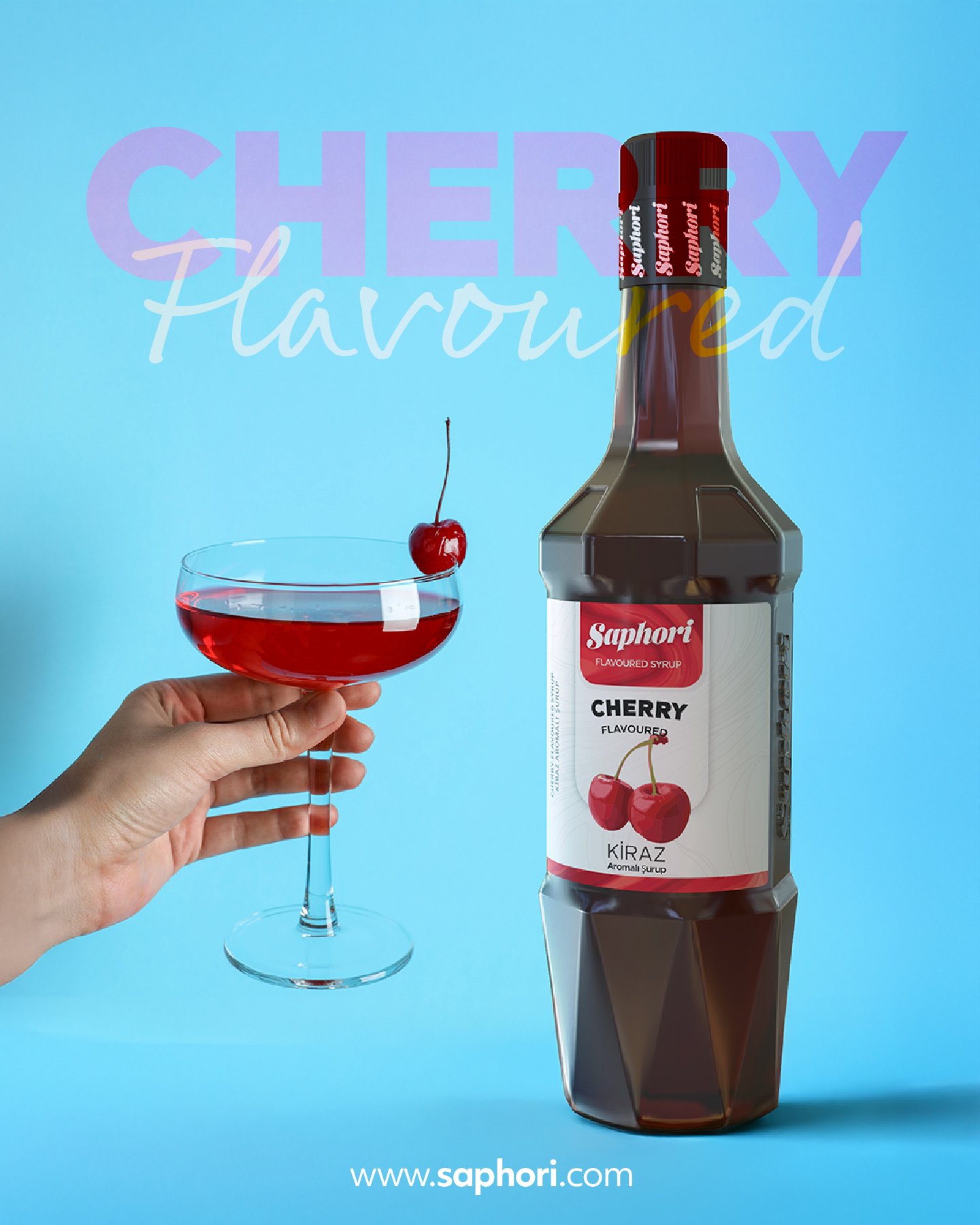


The reason "fresh fruit" drinks on a professional bar menu taste exactly the same all year round is kept under the counter: fruit puree. Strawberries out of season, yuzu at a fluctuating price and fruit prep that eats minutes are all solved in one move by this product, which is the cornerstone of any cocktail and mocktail menu. In this guide we share the techniques for working with puree and 4 signature recipes.
What Is Fruit Puree? How Does It Differ from Syrup?
Fruit puree is fruit that has been crushed and pasteurised; alongside aroma it gives a drink body, texture and natural colour in the glass. Syrup by contrast is clear and free-flowing; it delivers sweetness and aroma quickly but adds no texture. The professional approach is to use both: puree builds the body, syrup sets the sweetness balance. We covered syrup technique in our barista syrup guide too.
The 4 Golden Rules of Working with Puree
- Fix your weights: 30–45 g of puree is enough in a standard cocktail. Using a graduated squeeze bottle rather than a jigger improves both speed and consistency.
- Shake, do not stir: Puree is dense; unless it is shaken hard with ice in the shaker it will not disperse evenly through the drink.
- Double strain: If you do not want pulp in the glass, use both the shaker strainer and a fine strainer (double strain).
- Keep the cold chain: Once opened, puree should be kept refrigerated and used within the period stated on the pack.
4 Signature Recipes
1) Strawberry Smash (mocktail)
40 g strawberry puree + 20 ml lemon juice + 4–5 mint leaves + soda. Shake the mint and puree with ice in the shaker, strain into an iced glass and top with soda. A strong candidate for the fastest seller on a mocktail menu; for more mocktail ideas, see our mocktail guide too.
2) Sparkling Yuzu
30 g yuzu puree + 15 ml cocktail syrup (choose the flavour to suit your menu) + tonic. Yuzu's citrus character is a new-generation profile that sets premium menus apart.
3) Sour Cherry Sour
40 g sour cherry puree + 25 ml lemon juice + 15 ml simple syrup. Shake hard and double strain into a coupe. The sweet-sour balance of sour cherry is the reading of the sour family closest to the Turkish palate.
4) Frozen Strawberry
50 g strawberry puree + 20 ml lemon + 1 cup of ice, blended. An essential on a summer terrace; for the look, drizzle bar sauce around the rim of the glass.
For Businesses: How Do You Cost a Puree?
A 1.1 kg Saphori puree yields roughly 27–36 drinks at 30–40 g per portion. Once you account for the hidden costs of working with fresh fruit — wastage, prep labour, out-of-season price rises and the difficulty of hitting a standard — puree is both more economical and more predictable for most businesses. For menu engineering and wholesale prices, talk to our sales team.
Frequently Asked Questions
How long does fruit puree keep once opened?
Sealed and refrigerated, it stays fresh for the period stated on the pack. Decanting into service bottles improves both hygiene and speed.
Can puree be used in smoothies?
Yes — 50–60 g of puree blended with milk or yoghurt is the basis of the smoothie menu in cafés.
Does puree work in desserts?
It can be used directly on cheesecake, on panna cotta and as an ice cream sauce; one product feeds both the bar and the kitchen.
Create your bar's signature drink. For the full range, browse the Fruit Purees collection today.