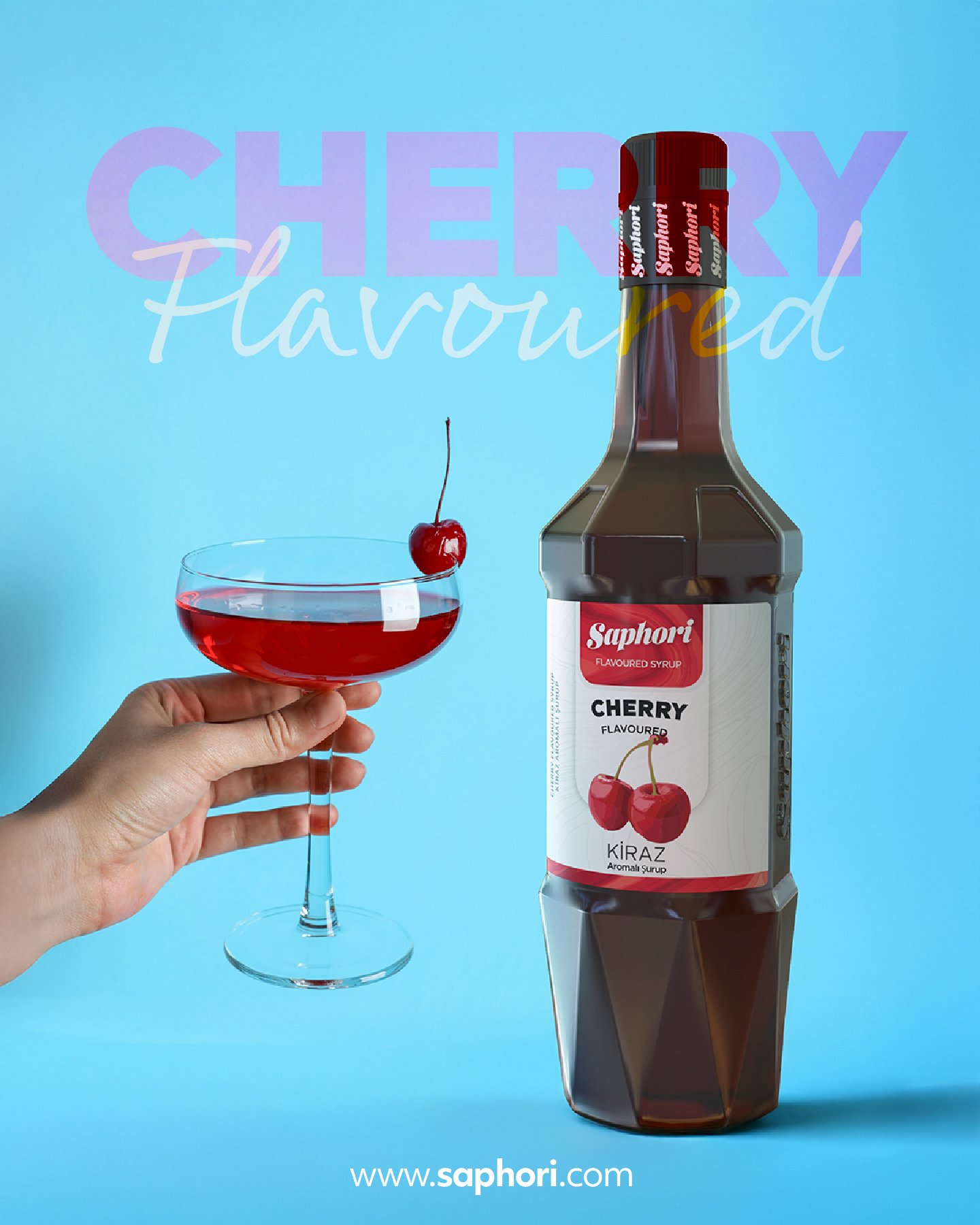
Flavoured lattes, iced coffees and seasonal specials are among the highest-profit items on a café menu, and they all depend on one workhorse ingredient: coffee syrup. Used well, a single 700 ml bottle turns into dozens of consistent, quickly prepared drinks; used carelessly, it becomes a source of waste and uneven taste. This guide covers coffee syrup for cafes in daily practice: dosing per cup, pump portioning, the flavours that actually sell, sugar-free options and a simple way to calculate cost per serving.
How much coffee syrup per cup?
The professional reference point is 10-15 ml of syrup per cup. A small 250 ml latte usually balances well around 10 ml, while a large 350-400 ml iced drink may need 15 ml or slightly more, because ice and milk dilute both sweetness and aroma. Espresso-forward recipes tolerate stronger flavouring than delicate filter coffee. Publish a dose for each drink size on your recipe cards instead of leaving it to habit: consistent dosing protects taste and controls cost at the same time.
Pump portioning keeps every cup identical
A dosing pump on the bottle is the cheapest quality-control tool a café can buy. Many standard pumps deliver roughly 7-10 ml per full stroke, so most recipes translate into one or two pumps and baristas stop free-pouring. The result is the same drink at eight in the morning and eight at night, whoever is behind the machine. Label each bottle, rinse pumps with warm water at closing, and note the pump volume on the recipe card so a new hire can follow the standard from day one.
The flavours that actually sell
Every market differs, yet café best-seller lists look remarkably similar: vanilla, caramel and hazelnut typically lead, with salted caramel, chocolate, coconut and cinnamon close behind. A compact core range keeps stock rotation healthy and training simple. From there, let your sales data decide: if a flavour has not moved in weeks, replace it rather than letting the bottle age on the shelf.
- Core range: vanilla, caramel, hazelnut.
- Strong seconds: salted caramel, chocolate, coconut, cinnamon.
- Iced-drink favourites: strawberry, raspberry and mango for summer menus.
Seasonal menus and sugar-free options
Seasonal specials give guests a reason to return: spiced and nutty profiles suit autumn and winter menus, while fruit flavours carry iced lattes, cold brew and milkshakes through summer. Alongside the classics, stock a few sugar-free coffee syrups; they let calorie-conscious guests order the same signature drinks and they broaden your menu without any extra equipment. Rotate two or three seasonal flavours at a time so the menu board stays fresh but stock stays manageable.
Cost per cup from a 700 ml bottle
The maths fits on a napkin. At 10 ml per cup, a 700 ml bottle yields about 70 servings; at 15 ml, about 46. Divide the bottle price by that number and you have your flavouring cost per drink, typically a small fraction of the menu price. Two practical conclusions follow. First, the difference between a careful 10 ml dose and a careless 20 ml pour doubles your syrup cost, which is exactly why pumps matter. Second, judge suppliers on cost per serving at equal taste intensity, never on bottle price alone.
Training baristas to use syrup well
A short, structured training session pays for itself within a week. Walk the team through the dose per drink size, pump counts, when to add syrup — before hot milk so it blends fully, over ice for cold drinks — and how to describe each flavour to guests. Finish with a comparative tasting so everyone knows the range they are selling, and refresh the session whenever the seasonal menu changes.
Frequently asked questions
How many pumps equal the right dose?
Measure your pump first: with a pump that delivers 8-10 ml per stroke, one pump suits small hot drinks and two suit large or iced drinks. Confirm once with a measuring cup, then trust the pump.
How many drinks come out of one 700 ml bottle?
Between roughly 46 and 70, depending on whether your recipes call for 15 ml or 10 ml per cup. Blended and extra-large drinks sit at the lower end of that range.
Do sugar-free syrups behave differently in coffee?
They flavour drinks the same way but contribute less body, so some recipes need a small dose adjustment. Taste-test each recipe once and note the result on the card.
What is the best way to launch a seasonal flavour?
Present it as a named drink rather than a plain syrup option, brief the team with a tasting, display it prominently for a limited period and track its daily sales.

