

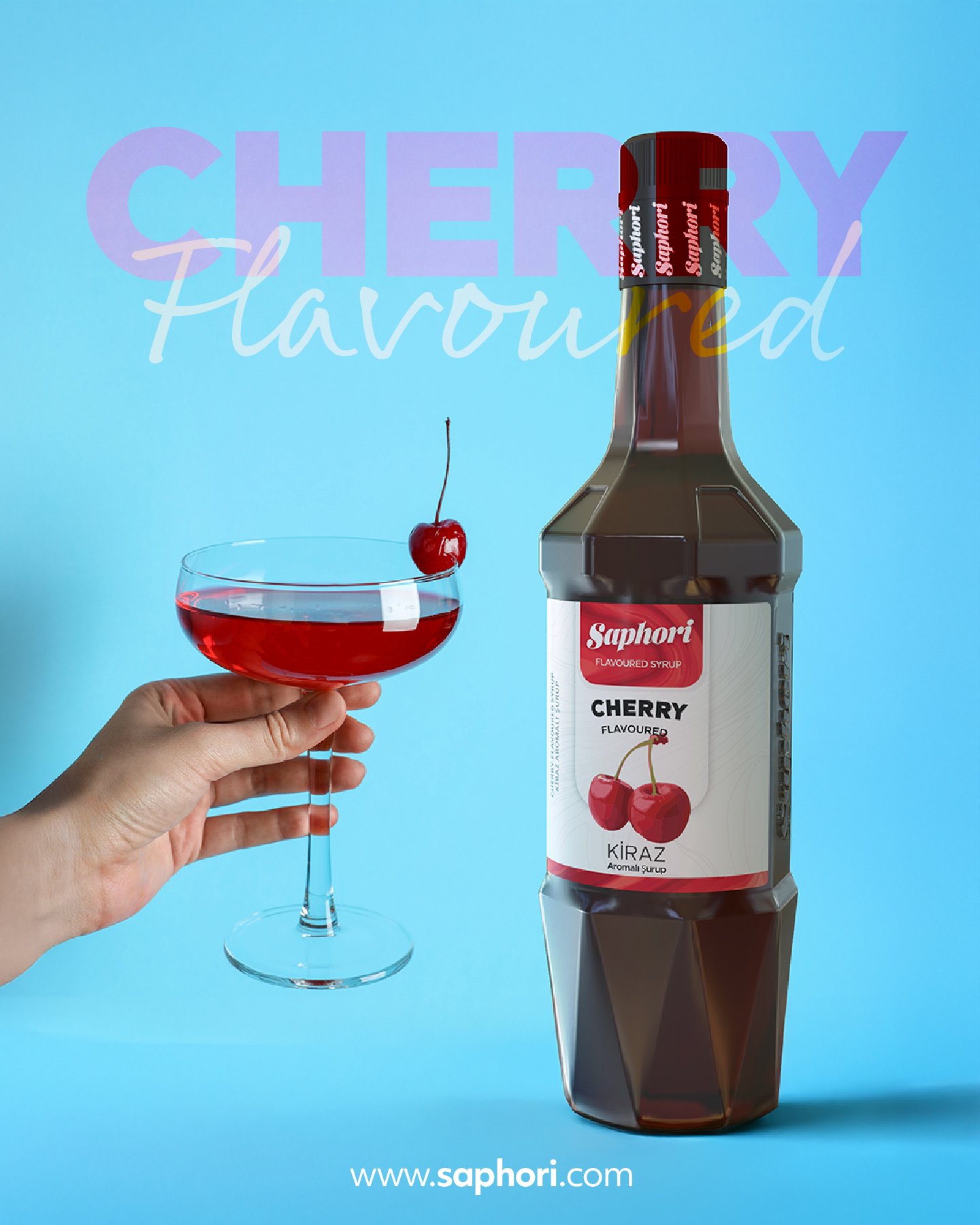
A flavoured lemonade served in a busy café usually tastes more balanced than the same drink made at home, even when the recipe looks identical. The main reason is the syrup. Bar syrup is a concentrated product developed for professional beverage service, while home syrup is made for occasional, small-scale use. In this guide we compare the two across concentration, dilution, flavour consistency, bottle formats, yield and colour stability, and explain when a café should switch to professional syrup. For a wider look at how these products are made, see our article on what cocktail syrup is, its types and production.
Concentration and Dilution: The Core Difference
The first thing that separates a bar syrup from a home syrup is concentration. Professional syrups are produced at a high sugar level, measured in brix, so a small dose flavours a tall glass. The dense structure also resists the watery effect of ice and soda. Home syrups are usually thinner, so you need two or three times more product to reach the same intensity. In professional service, dilution follows a recipe rather than guesswork: one part syrup to six or eight parts liquid is a common start for cold drinks. Our syrup dosing guide with ml per drink breaks these ratios down by beverage type.
Flavour Consistency Across Batches
In professional production every batch follows the same recipe and the same brix target, and the aroma profile is verified with measurements. A guest who orders a caramel iced coffee on Monday and again on Saturday gets the same taste. Syrups cooked on the stove behave differently: sugar level, cooking time and fruit ripeness shift with every batch, so the flavour drifts from glass to glass. For a business that lives on repeat customers, this variation is a real risk, because consistency is the base of loyalty. A stable syrup also means the drink stays identical even when staff members rotate between shifts.
Pumps, Bottle Formats and Yield per Bottle
Bar syrups come in 70 cl and larger bottles with necks that accept a dosing pump. Each press delivers a fixed amount, typically 8-10 ml, so the barista works fast without a measure cup. Home bottles are narrow-necked and made for free pouring, which means the amount is estimated by eye. Yield shows the gap clearly: one litre of concentrated bar syrup makes roughly 30-50 drinks at 20-30 ml per glass. The same volume of a thin home syrup often covers half of that. At business scale this difference translates into lower cost per serve and less storage space per drink sold.
Colour Stability and Shelf Life
If the lemonade in the display fridge fades within the hour, the visual appeal is gone. Professional syrups are formulated so the colour stays vivid under light and in acidic drinks for the whole service. Home syrups often dull quickly. Shelf life is another divide: high brix slows microbiological spoilage, so an opened bar syrup stays stable for weeks in a cool, dry spot, while a homemade batch lasts only days even in the fridge. For venues that stock up before the summer season, a long shelf life directly reduces waste.
Comparison Table: Bar Syrup vs Home Syrup
| Criterion | Bar syrup | Home syrup |
|---|---|---|
| Concentration | High brix, intense flavour in small doses | Thin, needs larger amounts |
| Consistency | Same recipe and taste in every batch | Varies from glass to glass |
| Dosing | Fixed measure with a pump | Free pour, estimated by eye |
| Yield | 30-50 drinks per bottle | 10-20 drinks per bottle |
| Colour | Stable through service | Can fade quickly |
| Shelf life | Long, suitable for stock | Short, needs fast use |
When Should a Café Switch to Professional Syrup?
If you sell more than 20 flavoured drinks a day, cooking syrup behind the counter stops making sense in terms of labour and consistency. As the menu grows with iced coffee, lemonade, soda-based mocktails and milkshakes, pump-dosed concentrated syrups deliver speed and cost control at the same time. If fruit-forward drinks are part of your plan, read our comparison of fruit puree vs syrup to see which product fits each menu item. The Saphori cocktail syrups collection is developed for exactly these HoReCa needs.
Frequently Asked Questions
Can I use bar syrup at home?
Yes. Because it is concentrated, a small dose goes a long way in lemonade, soda and milk-based drinks, so a single bottle lasts a long time at home. Just follow the dilution ratio suggested on the label.
How many drinks does one bottle of bar syrup make?
At 20-30 ml per glass, a one-litre bottle makes about 30-50 drinks. The exact number depends on the drink style and glass size; a dosing pump keeps usage steady and predictable.
Why does homemade syrup spoil so fast?
Lower sugar content and the lack of heat treatment let microbiological spoilage move faster. Taste and colour decline within days even in the fridge, which is why venues prefer long-life professional products.

