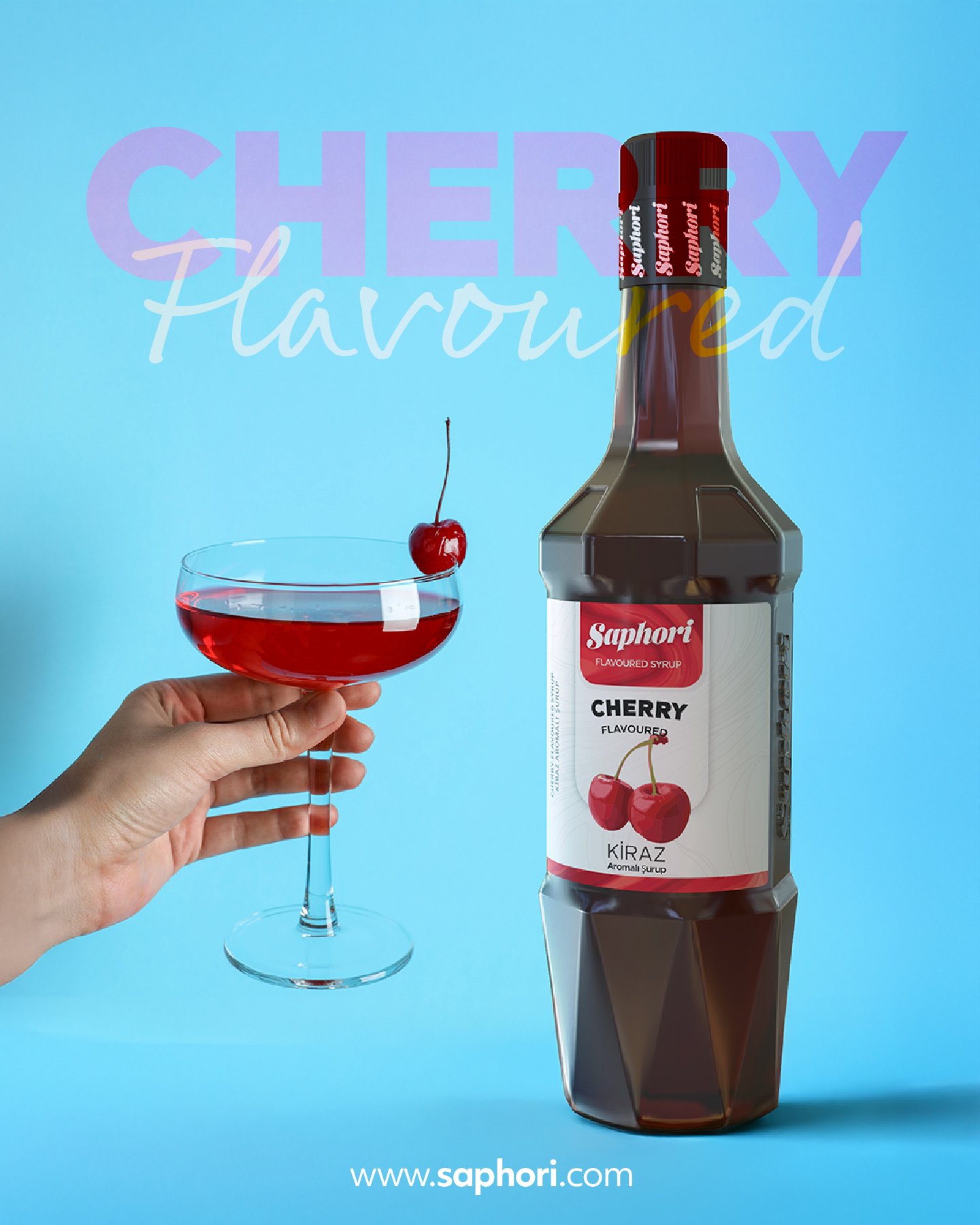

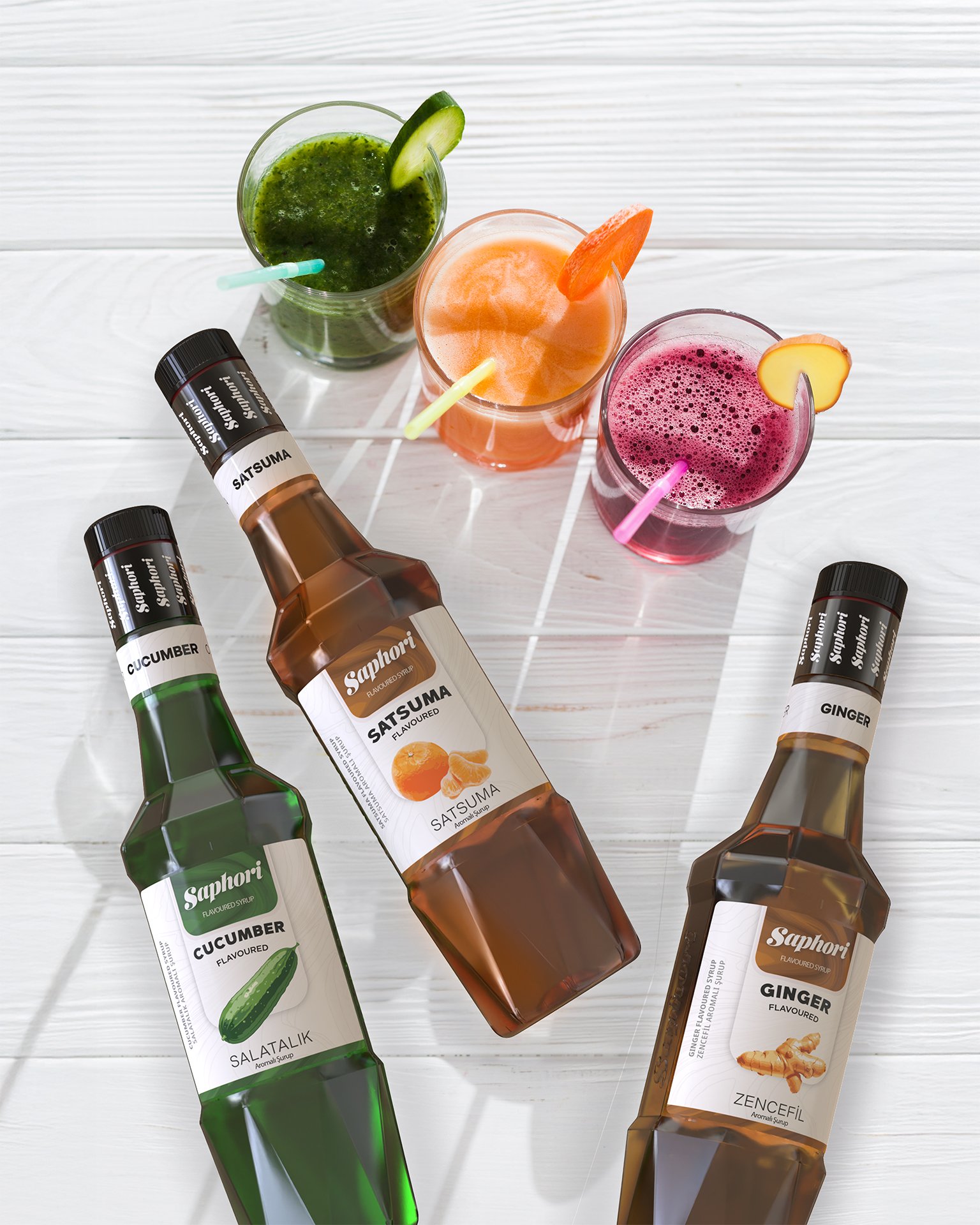
Cocktail syrup is one of the most important building blocks on any professional beverage menu. The right syrup gives every glass balanced sweetness, intense aroma and vivid colour, whether the base is soda, lemonade, iced tea or a creamy latte. But what exactly is cocktail syrup, how does it differ from a concentrate, which types exist, and how is it produced at professional scale? In this guide we answer all of these questions from a HoReCa perspective.
What Is Cocktail Syrup?
In its simplest definition, cocktail syrup is a pourable sweetener made by blending water, sugar and natural flavour components at a controlled density, then filtering the mixture until it is perfectly smooth. Unlike a basic homemade sugar syrup, professional cocktail syrups are formulated to a standard sugar density (Brix), a stable colour and an identical taste in every batch. The same drink therefore tastes the same no matter which barista prepares it.
The job of a syrup goes far beyond sweetness. It carries aroma evenly through the whole glass, adds body to the drink and solves the biggest problem of cold beverages: sugar that refuses to dissolve. Granulated sugar barely dissolves in an iced glass, while syrup blends in within seconds. For busy venues that depend on speed and standardisation, this is a decisive advantage.
The range of use is equally wide: lattes and cold coffees in specialty coffee shops, iced refreshers at beach clubs, welcome drinks in hotel lobbies, standardised lemonade recipes across restaurant chains and high-volume service in catering operations. A single well-chosen syrup range can feed all of these scenarios at once, which makes syrup selection an operational decision as much as a matter of taste.
Syrup vs Concentrate: What Is the Difference?
These two terms are often confused. A syrup is a ready-to-use product dosed directly into the glass in millilitres, typically 10-30 ml per drink. A concentrate, on the other hand, is designed to be diluted heavily, usually at ratios like one part product to five or ten parts water or soda, and is used for litre-scale preparation. Syrup offers glass-by-glass flexibility; concentrate offers convenience for bulk batches.
For fruit-based drinks there is also a third option: puree, which contains real fruit particles. We compare the two in detail in our guide to what fruit puree is and how it differs from syrup.
The Four Main Flavour Families
A professional syrup range is usually grouped into four families:
- Fruit syrups: Strawberry, mango, peach, watermelon, pomegranate and passion fruit form the backbone of soda, tonic and lemonade based refreshers.
- Caramel and nut family: Caramel, hazelnut and vanilla bring warm tones that pair beautifully with lattes, hot chocolate and milkshakes.
- Spiced syrups: Cinnamon and similar warm notes add depth to hot drinks, especially on winter menus.
- Sugar-free syrups: Sweetener-based options give calorie-conscious guests a serious alternative on the menu.
A balanced selection from these four families lets a venue build a broad drinks list with a compact stock. For practical inspiration, see our 10 mocktail recipes made with cocktail syrup.
How Is Cocktail Syrup Produced?
Professional production is a far more controlled process than simmering syrup at home. The core steps are:
- Dissolving: Sugar is dissolved in purified water at a controlled temperature and brought to the target density.
- Flavouring: Fruit and botanical flavour components are added by recipe while colour and acidity are balanced.
- Filtration: Particles are filtered out to achieve a clear, smooth texture.
- Heat treatment: The product receives a controlled heat step so it stays safe throughout its shelf life.
- Filling and quality control: Bottling takes place on hygienic lines, and every batch is checked for density, colour and taste.
Thanks to this standardisation, a venue can serve the exact same glass all year round, without seasonal swings in flavour reaching the menu.
Professional Formats: 700 ml Bottles and Pump Dosing
The most common HoReCa format is the 700 ml bottle. It takes up little space at the bar station, turns over quickly enough to stay fresh and fits standard dosing pumps. A pump delivers a fixed amount with every press, which eliminates the waste of free pouring, keeps drink costs predictable and makes staff training much easier, even during peak hours.
To see how many millilitres belong in each drink type, read our syrup dosing guide. You can explore the full flavour range on our cocktail syrups page.
Frequently Asked Questions
How should cocktail syrup be stored after opening?
Keep the bottle neck and pump line clean after every service, and store the product away from direct sunlight in a cool, dry place. Following the storage advice on the label protects freshness.
Is cocktail syrup only for cocktails?
No. The same bottle works in lemonade, iced tea, milkshakes, lattes and tonic-based drinks. That versatility simplifies stock management and raises the yield of every bottle.
Why does sugar density (Brix) matter?
Density defines perceived sweetness, texture and balance with other components. A standard Brix value makes the same flavour profile, and the same portion cost, possible in every single glass.